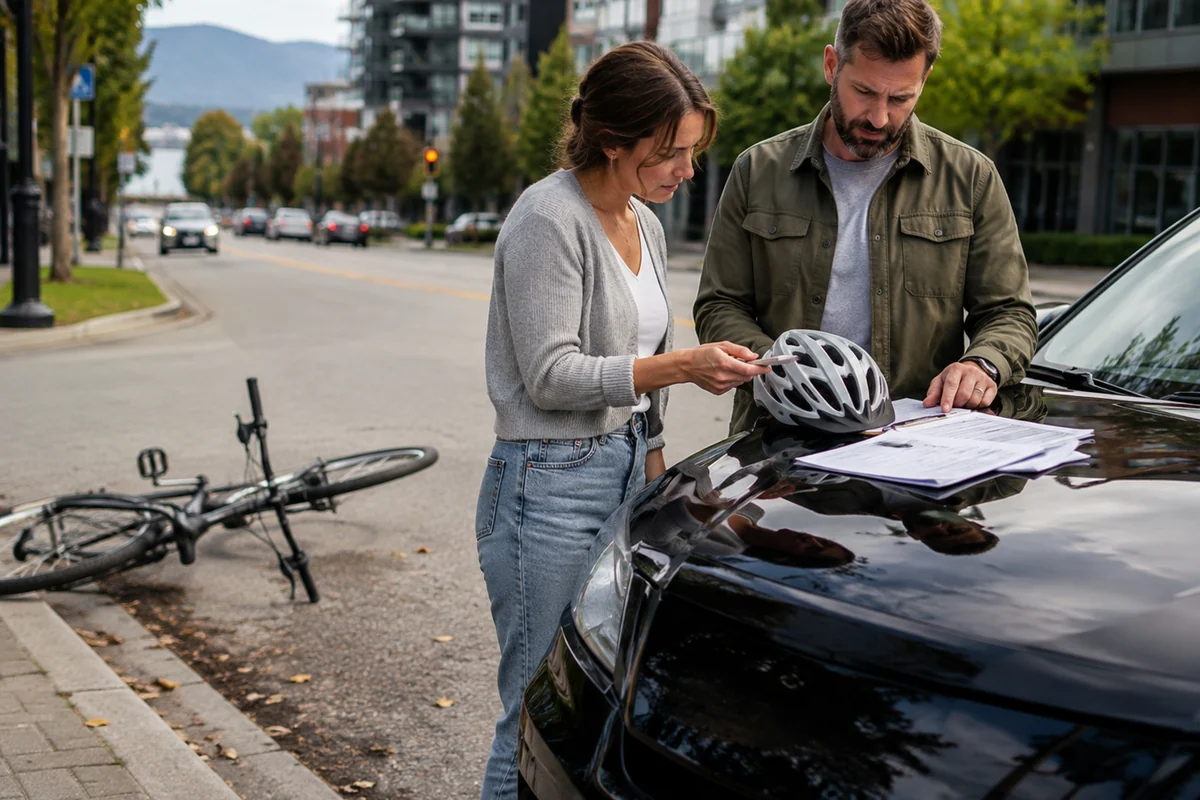
Kelowna Collision Evidence Checklist: Photos, Witnesses, and Records
How to build a simple evidence file without turning your phone and paperwork into an unmanageable archive.
Photographs need context
Wide shots can show the overall scene while closer images can capture vehicle damage, debris, road markings, or other details. Keep the original files whenever possible and avoid deleting photos simply because they appear repetitive at first glance.
Witness details can fade quickly
If another person saw the collision, basic contact information can be useful. Do not pressure anyone for a statement. The practical goal is simply to preserve a way to reach people who may later be asked what they observed.
Keep documents in categories
Separate vehicle records, medical records, correspondence, expense receipts, and your own notes. Clear categories help you find information quickly and make a future review more efficient.
Do not over-edit the story
Evidence is most useful when it remains close to the original event. Keep your notes factual, preserve original photos, and avoid rewriting your timeline repeatedly to make it sound stronger. Consistency is more useful than dramatic language.